
Solar & Home Guide
Solar Panel Bird Proofing: Stop Birds Nesting Under Your Panels
Why birds get under solar panels, the damage they cause, and how to seal them out for good with a warranty-safe DIY mesh kit.
Home › Blog › Solar Panel Bird Proofing
DS
Direct On Sale Editorial Team
Home, Garden & Solar Specialists · directonsale.com.au
If you've noticed birds flying in and out from beneath your solar panels, a build-up of droppings down your walls, or scratching and cooing sounds coming from the roof, you have a common and fast-growing problem: pigeons nesting under your solar panels. The warm, sheltered gap between the panels and your roof is close to a perfect nesting site — and once one pair moves in, others follow.
The good news is that solar panel bird proofing is a straightforward, affordable DIY job. In this guide we'll explain why birds are drawn under panels, the damage they cause if left unchecked, and exactly how to install bird proofing mesh to keep them out for good — without voiding your panel warranty or damaging your system.
Quick answer: The most effective way to stop birds nesting under solar panels is to seal the perimeter gap with galvanised or stainless steel bird proofing mesh, secured to the panel edges with purpose-made clips (no drilling into the panels or roof). A standard 30m kit is enough to bird proof the perimeter of most residential solar systems in an afternoon.
Why Do Birds Nest Under Solar Panels?
The gap beneath a solar panel — usually around 10–15cm — offers everything a pigeon looks for in a nesting site: shade from the Australian sun, shelter from wind and rain, warmth radiating from the panels, and protection from predators. To a bird, it's prime real estate. Pigeons in particular are creatures of habit; once they've nested successfully in a spot, they return to it and attract others, so a small problem escalates quickly across a breeding season.
The Damage Birds Cause (and Why It's Worth Fixing Early)
Left alone, birds under solar panels cause more than just noise and mess:
What bird infestations do to a solar system
- 🐦 Reduced efficiency: Droppings and nesting debris on and around panels block light and lower your energy output.
- 🐦 Corrosive droppings: Bird droppings are acidic and, over time, can corrode panel frames, wiring and roof materials.
- 🐦 Chewed and dislodged wiring: Nesting birds pick at cabling, creating fault and even fire risks.
- 🐦 Blocked gutters and downpipes: Nesting material washes into gutters and causes water damage.
- 🐦 Health and noise: Droppings carry disease, and mites and lice from nests can enter your roof cavity; the early-morning cooing and scratching is relentless.
Because the cost of bird proofing is small compared with the cost of cleaning, repairs or lost solar output, sealing the panels early is one of the smartest low-cost jobs a solar owner can do.
How Solar Panel Bird Proofing Mesh Works
Bird proofing mesh (sometimes called solar panel bird mesh, bird netting for solar panels or solar skirt) works by physically sealing the open perimeter gap around your panels so birds simply can't get underneath. The best kits use galvanised or stainless steel mesh rather than plastic netting, because steel resists the elements and won't be chewed through. The mesh is held in place with specially designed clips that grip the panel edge — meaning no drilling into the panels or roof, so your panel warranty and roof waterproofing stay intact.

How to Install Solar Panel Bird Mesh: Step by Step
Most homeowners can bird proof their panels in an afternoon with basic tools. Safety first: only work on your roof if you can do so safely, use an appropriate ladder and harness, and choose a dry, calm day. If your roof is steep or high, consider hiring a professional installer.
1
Clean under the panels first.Remove any existing nests, droppings and debris (wear a mask and gloves). Never seal birds or eggs in — make sure the area is clear and, ideally, do this outside breeding season.
2
Measure the perimeter.Measure the total length around the outer edge of your panel array to confirm how much mesh you need. A 30m kit covers most home systems.
3
Cut the mesh to length.Cut the steel mesh into strips that run along each side of the array, using tin snips. Wear gloves — cut steel edges are sharp.
4
Attach the clips to the panel edge.Space the clips evenly along the panel frame. They grip the lip of the panel — no drilling required.
5
Secure the mesh into the clips.Fix the mesh so its top edge tucks under the panel frame and the bottom sits flush against the roof, closing the gap completely with no openings a bird can squeeze through.
6
Work around the full array.Continue around every exposed side. Corners are common weak spots — make sure they're fully closed.
7
Inspect for gaps.Walk the perimeter and check for any opening larger than a few centimetres. Birds are persistent and will exploit the smallest gap.
Bird Proofing Mesh vs Spikes vs Netting: Which Is Best?
There are a few approaches to keeping birds off and out from under solar panels, and they solve different problems:
Perimeter mesh (best for under-panel nesting)
Steel mesh sealing the panel gap is the most effective and durable solution specifically for stopping birds nesting underneath panels. It's discreet, long-lasting and warranty-safe.
Bird spikes (best for ledges and panel tops)
Spikes stop birds perching and roosting on roof ledges, gutters and the tops of panels, but they don't seal the under-panel gap. They work well alongside mesh for a complete solution. We stock stainless steel bird spikes for exactly this.
Plastic netting (a cheaper, shorter-lived option)
Plastic bird netting is inexpensive but degrades in UV, can be pecked through, and often looks messy. For a permanent solar solution, steel mesh is the better long-term value.
How to Keep Birds Away for Good
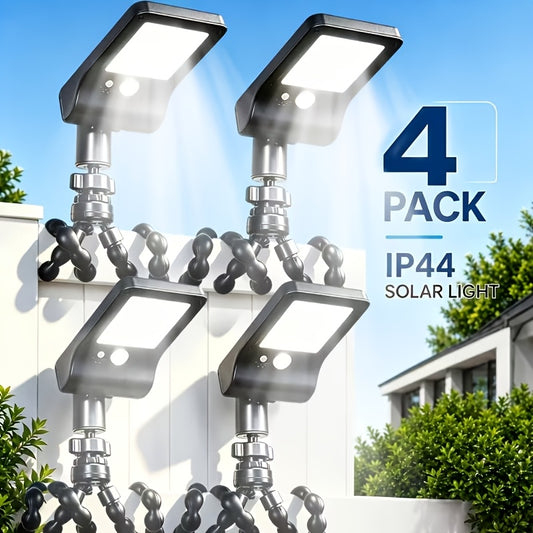
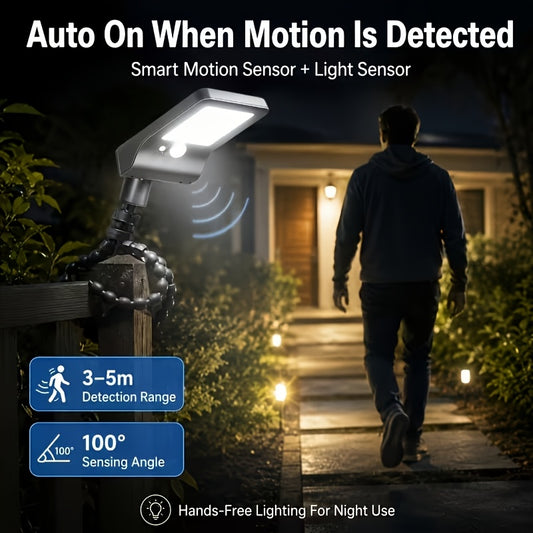
Once your panels are sealed, a few habits keep your roof bird-free long term: clear your gutters seasonally so they're not attractive nesting spots, trim overhanging branches that give birds easy roof access, and inspect your mesh once or twice a year (especially after storms) to confirm nothing has come loose. For more outdoor tips, see our guides on the best tricks to keep your backyard tidy and our best solar security lights guide.
Solar Panel Bird Proofing FAQs
Does bird proofing mesh damage solar panels or void the warranty?
No — quality kits use clips that attach to the panel edge without any drilling, so there's no damage to the panels, frame or roof, and your warranty stays intact. Avoid any method that involves screwing or gluing directly to the panels.
How much mesh do I need for my solar system?
Measure the total perimeter around the outer edge of your panel array. A 30m kit is enough for the perimeter of most residential systems; larger or split arrays may need two kits.
Can I install solar bird mesh myself?
Yes — it's a common DIY job requiring only basic tools (tin snips and gloves) and can usually be done in an afternoon. Only work on your roof if you can do so safely; otherwise a handyman or solar installer can fit it quickly.
Is steel mesh better than plastic bird netting for solar panels?
Yes. Stainless or galvanised steel mesh resists UV, weather and pecking, where plastic netting degrades and can be chewed through. For a permanent solar solution, steel is the more durable and better-value choice.
Will bird proofing also stop possums and rodents?
Sealing the perimeter gap with steel mesh also helps keep out possums, rats and other pests that shelter under panels, since it closes the access point they rely on.
When is the best time to bird proof solar panels?
Ideally outside the main breeding season, and always after confirming there are no active nests, eggs or chicks under the panels. Never seal birds in — clear and clean the area first.
Stop birds nesting under your panels — for good
Our Stainless Steel Solar Panel Bird Proofing Kit has everything you need for a warranty-safe DIY install, with fast shipping Australia-wide.
Get the Bird Proofing Kit →
Tags:
Previous
Best Christmas Inflatables in Australia 2026
Next
Best Christmas Trees in Australia 2026: Pre-Lit, Flocked, Fibre Optic & More